In the modern world, money moves faster than ever. Digital markets open new doors for earning, investing, trading, and building wealth. Yet for Christians, one timeless question remains: How do we make wise financial decisions that honor God?
The Bible may not mention cryptocurrency, global markets, or trading platforms—but it gives us powerful guidance about wisdom, stewardship, risk, reward, and responsible decision-making. And nowhere is this clearer than in the Book of Proverbs—the Bible’s manual for practical wisdom.
Let’s explore what Proverbs teaches about financial wisdom, especially in an age where opportunities are plentiful, but so are risks.
1. Wisdom Before Wealth: “By wisdom a house is built.” — Proverbs 24:3
Before anything else—before investing, trading, planning, or earning—Proverbs tells us to seek wisdom first.
“By wisdom a house is built, and through understanding it is established.”
— Proverbs 24:3
In biblical finance, wisdom is more valuable than the money itself. Many pursue wealth prematurely—but Proverbs reminds us that successful financial foundations come from knowledge, structure, patience, and discipline.
In today's financial world, that means:
✔ Study before you trade.
✔ Understand before you invest.
✔ Plan before you act.
✔ Seek counsel before making big decisions.
Wisdom is not about avoiding financial opportunities—it’s about approaching them with preparation, clarity, and humility.
2. Risk and Reward: “The plans of the diligent lead to profit.” — Proverbs 21:5
Financial success requires opportunity—but opportunity alone is not enough.
Scripture tells us that prosperity is not promised to the risky or impulsive—but to the diligent, the disciplined, the patient.
“The plans of the diligent lead surely to profit, but everyone who is hasty comes only to poverty.”
— Proverbs 21:5
This applies powerfully to today’s trading, investing, and even business-building environments.
In a world of “get rich quick” trends, Proverbs warns us:
🚫 Don’t chase hype.
🚫 Don’t take reckless risks.
🚫 Don’t gamble with what God has entrusted to you.
Instead…
✔ Take time to understand what you're doing.
✔ Use structured strategies.
✔ Focus on steady, sustainable growth.
In today’s financial landscape, this means valuing consistency over luck, knowledge over hype, and discipline over emotion.
3. Caution with Risk: “The prudent see danger and take refuge.” — Proverbs 27:12
The Bible doesn’t tell us to avoid all risk. But it strongly warns against blind risk.
“The prudent see danger and take refuge, but the simple keep going and pay the penalty.”
— Proverbs 27:12
Risk is a part of life. Every business, investment, trade, or financial plan involves some risk.
But Proverbs teaches that wise people evaluate, prepare, and protect before stepping forward.
In today’s world, this means:
✔ Using risk management strategies
✔ Never investing blindly
✔ Avoiding emotional decisions
✔ Learning before committing resources
Even when exploring modern financial opportunities—such as partnering with a crypto prop firm or analyzing digital markets—Proverbs reminds us to be prudent, structured, and informed.
4. Honoring God with Our Financial Decisions: “Trust in the Lord with all your heart.” — Proverbs 3:5–6
No matter how disciplined or strategic we become, our financial foundation must rest on trust in God—not money, markets, or our own ability.
“Trust in the Lord with all your heart,
and lean not on your own understanding;
in all your ways acknowledge Him,
and He will make your paths straight.”
— Proverbs 3:5–6
This doesn’t mean we stop planning, learning, or building.
It means we partner with God in every financial decision, asking:
🙏 Is this choice wise?
🙏 Am I honoring God with this opportunity?
🙏 Am I being responsible with what I’ve been given?
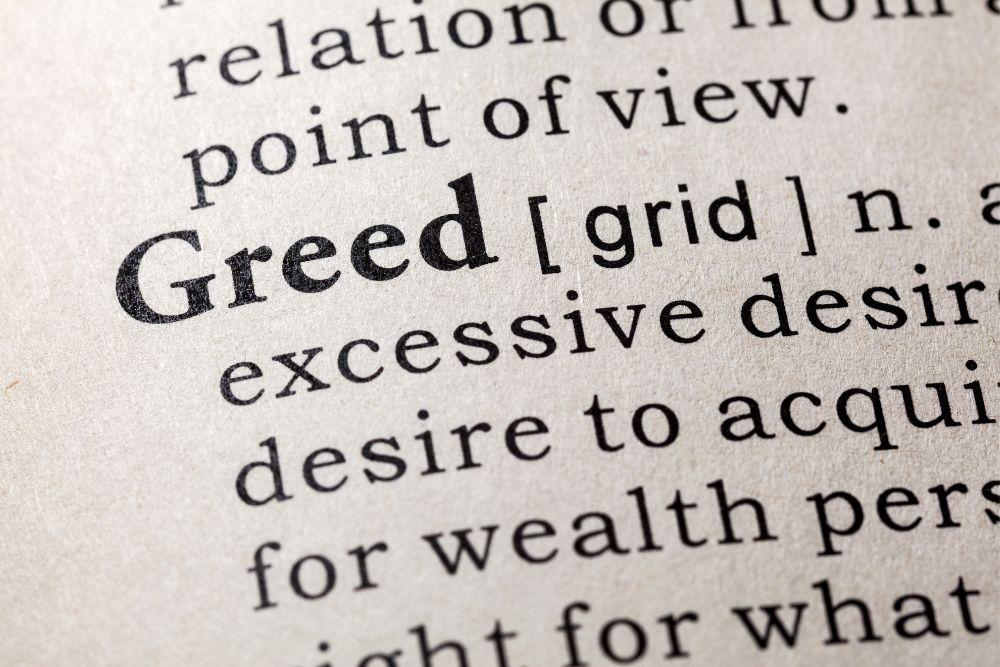
🙏 Am I prioritizing stewardship over greed?
Faith-based financial decisions are not passive—they are purposeful, prayerful, and guided.
5. Stewardship Over Ownership: “The earth is the Lord’s.” — Psalm 24:1
Proverbs teaches us financial wisdom, but Scripture as a whole teaches us a foundational truth:
We are not owners—we are stewards.
“The earth is the Lord’s, and everything in it.”
— Psalm 24:1
Everything we have—money, skill, opportunity, knowledge—belongs to God.
We don’t accumulate wealth for control, but to serve, provide, grow, and fulfill our calling.
So, when managing finances, Scripture invites us to ask:
✨ Am I being faithful with what God has provided?
✨ Am I working wisely to multiply—not waste—what I’ve been entrusted with?
Wise financial decision-making isn’t about wealth—it’s about purpose, stewardship, and responsibility.
6. The Proverbs Formula for Financial Wisdom
| Proverbs Principle | What It Means Financially |
|---|---|
| Seek wisdom first | Learn before acting |
| Diligence over haste | Plan, manage, and stay disciplined |
| Prudent risk-taking | Protect yourself, avoid emotional choices |
| Trust God, not wealth | Keep faith at the center |
| Stewardship mindset | Manage resources responsibly |
Financial wisdom isn’t about making money—it’s about making decisions that honor God.
Proverbs doesn't teach us how to trade, invest, or manage portfolios.
It teaches us how to think, approach, and steward financial responsibility—God’s way.
In a fast-moving financial world, the principles of Proverbs remain timeless:
📖 Seek wisdom. Act with diligence. Manage risk carefully. Trust in God—not luck. Steward well.
When applied, these truths help anyone make wise financial decisions — without compromising faith or purpose.