Art has never been mere ornamentation, it is a conversation between man and the world in which he lives. Since the prehistoric cave paintings were done in ochre, the Renaissance oil paintings were bright, and every art period reflected the worldview, beliefs, and technologies of the people of those times. The use of stretched fabric or the canvas as a painting surface was one of the most revolutionary changes in this long history. Developing in the fifteenth and sixteenth centuries, canvas was slowly substituting wood panels due to its lightness, transportability, and the ability to accommodate the layered techniques used by artists. A well-curated canvas print buying guide helps consumers navigate the subtle choices that affect presentation - from selecting the right size for a wall to deciding between edge wrapping or floating frames. This practical decision, together with the development of pigments preparation, led to the emergence of new opportunities in expressive color and composition.
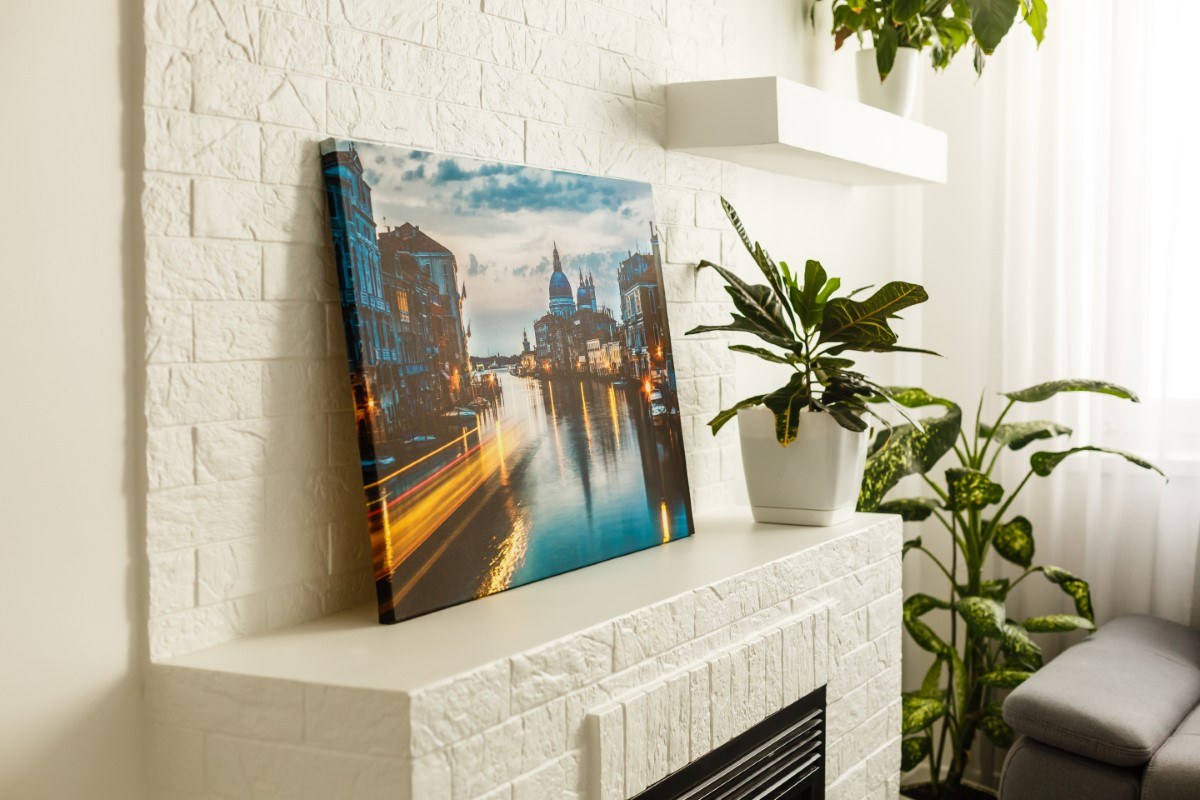
Today, canvas is still the link between tradition and modernity not only in studios but also in digital printing and home decor. Printed art has a painterly quality that is absent in paper or metal, which is provided by the tactile grain of fabric. As it is hung, the matte surface of canvas will absorb the surrounding light, which will remove glare and preserve the richness of colors in even the brightest areas. These characteristics render it one of the most versatile materials in classic reproductions as well as in modern photography. To people who want to take this ancient art to their homes or offices, it is important to learn about proportions, framing and placement. A carefully edited canvas print purchasing guide assists buyers in making finer decisions that influence the presentation, such as the size to place on the wall to the decision to use edge wrapping or floating frames. Due to lightweight, durability, and ready to hang canvas prints, they are one of the easiest but the most efficient methods of making a personal place a gallery of oneself.
With the development of art history towards the end of the nineteenth and twentieth centuries, the canvas turned into the arena of a fundamental conceptual transformation. The boundaries of realism had already been softened by impressionism, but it was the abstraction pioneers who redefined the possibilities of what a painting could be. Artists such as Wassily Kandinsky, Kazimir Malevich, and Piet Mondrian eliminated recognizable imagery, claiming that line, color, and form were the only means to express spiritual and emotional richness. This intellectual freedom led to modernism - a movement that was open to minimalism, experimentation and non-conformity.
The effects of this development are still reverberating in modern interiors. This modernist ethos is the reason why abstract modern canvas prints are so popular: a belief that beauty is in reduction and balance. These paintings are usually characterized by muted monochromes, geometric compositions or pools of colour that create a feeling of calmness and refinement. They do not aim to take control of a room but to blend with it and provide the minimalist architecture or Scandinavian-based decor with some layers of subtle expression. The negative space, the linear rhythm, and the muted contrast play off to create a calm visual language that is in sync with the rhythm of contemporary life. Where traditional styles were filled with decoration and story, modern abstraction lives by suggestion, challenging the viewer to read between the lines, not merely to see. By so doing every print becomes a silent collaborator in the creation of atmosphere-- a dialogue between color and consciousness.
With the twenty-first century redefining the place and the manner in which individuals work, art has been discovered to play a crucial role in the workplace. Offices are no longer just functional, they are created to stimulate focus, creativity and teamwork. These spaces tend to be the psychological foundation of their identity, which shapes the way individuals think and feel during the day. In this case, canvas prints of office have become important design tools. Hanging behind a desk or sitting in a conference room or perfectly framed on a Zoom background, such art can bring refinement and character to otherwise sterile interiors.
The choice of office art can be based on rather unspoken psychological rules: cool blues and soft neutrals help to focus on the task, whereas geometric patterns help to think analytically without overwhelming the senses. Abstracts based on nature, such as waves, clouds, or organic shapes, may reduce stress and improve productivity, bringing visual relaxation. Symmetrical patterns of canvas prints can be used in open-plan workspace to divide the space without physically separating it, thus creating creativity and concentration zones. The finest business cultures do not just decorate themselves with these pieces of art but make them declarations of culture and purpose - visual declarations of clarity, innovation and confidence.
After all, the history of art and the legacy of canvas can be seen as the expression of one thing: creativity evolves. A thoughtfully curated display of modern office canvas prints can transform a bland workspace into a source of daily inspiration. The canvas prints, be it classical reproductions or digital abstractions, pay tribute to centuries of craftsmanship and at the same time, they accommodate the current design sensibilities. They turn bare walls into stories of taste and feeling - physical reminders that art is not something that is only found in museums but it is everywhere that imagination can be found.