A Celebration of Faith and Heritage
Lunar New Year, or Spring Festival (春节), is one of the most significant cultural celebrations for Chinese communities worldwide. For Chinese Catholic families, it is also a time to integrate faith with tradition, creating a harmonious blend of cultural heritage and Catholic values. This guide explores how Chinese Catholics can celebrate Lunar New Year in a way that honors both their ancestral customs and their Christian faith.
1. The Significance of Lunar New Year for Chinese Catholics
A Cultural and Spiritual Milestone
Lunar New Year is deeply rooted in Chinese culture, symbolizing renewal, family unity, and gratitude. For Catholics, it is an opportunity to reflect on God's blessings and pray for the year ahead. The Vatican and Catholic communities in Asia recognize the importance of this celebration, encouraging Catholics to participate in cultural traditions while keeping Christ at the center of their lives.
Lunar New Year 2026: Year of the Horse
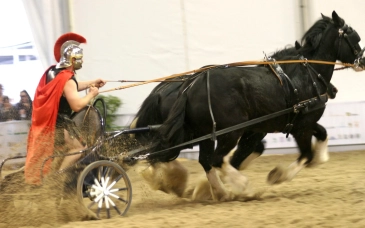
In 2026, Lunar New Year falls on February 17, marking the Year of the Horse. The horse symbolizes energy, freedom, and resilience, values that resonate with Christian virtues of perseverance and hope.
2. Blending Traditions: Catholic Practices for Lunar New Year
Family Gatherings and Prayer
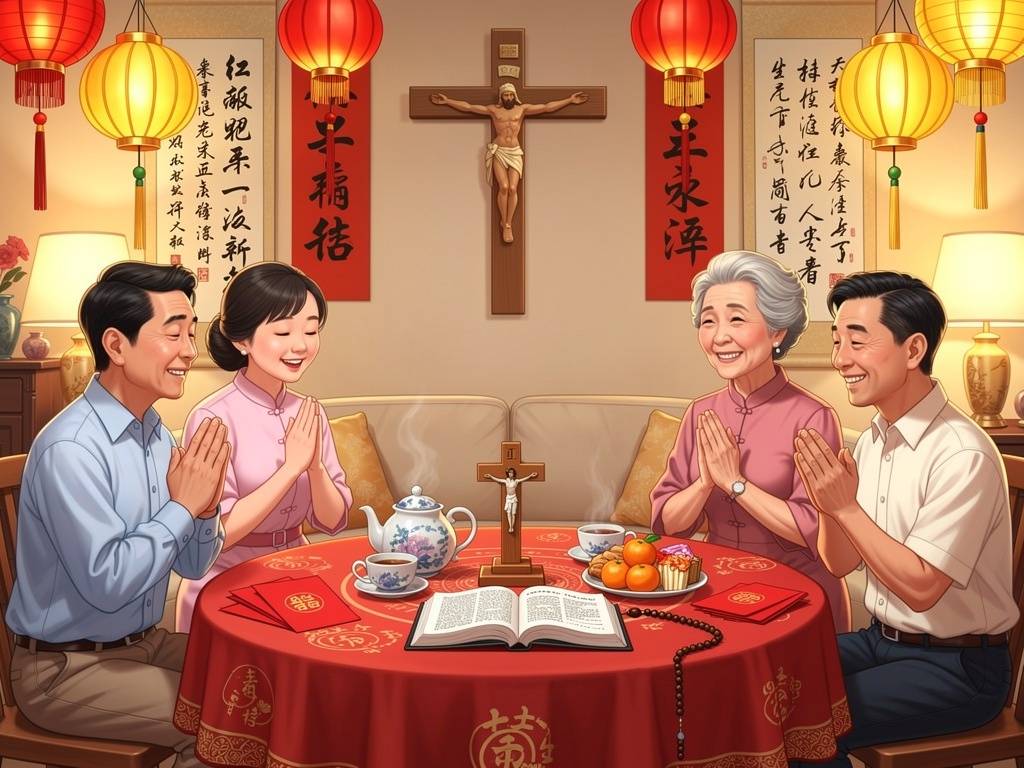
- Reunion Dinner: The reunion dinner (年夜饭) is a cornerstone of Lunar New Year. Chinese Catholic families can begin the meal with a grace or prayer of thanksgiving, asking God to bless the food and the family.
- Mass and Blessings: Many parishes offer special Lunar New Year Masses, often in Mandarin or Cantonese, where families can entrust their hopes and plans to God. Some churches distribute blessed oranges or red envelopes (ang pao) as symbols of prosperity and God's blessings.
Honoring Ancestors with Faith
- Prayers for the Deceased: Instead of traditional ancestor worship, Catholic families can pray for their deceased loved ones, asking God to grant them eternal peace. This practice aligns with the Fourth Commandment and the Catholic tradition of All Souls' Day.
- Offering Flowers and Prayers: Many Chinese Catholics place flowers or light candles at home altars, accompanied by prayers for their ancestors, as a sign of respect and remembrance.
3. Symbolic Foods and Catholic Meanings
Fish: A Symbol of Abundance
- In Chinese culture, fish (年年有余) represents abundance. Catholics can connect this to the miracle of the loaves and fishes (Matthew 14:13-21), reflecting on God's provision and generosity.
Dumplings: Unity and Blessing
- Dumplings (饺子) symbolize unity and wealth. Families can pray together while making dumplings, thanking God for their blessings and asking for His continued guidance.
Blessed Oranges
- Oranges signify goodwill and prosperity. Some parishes bless oranges during Lunar New Year Masses, reinterpreted in a Catholic context as a sign of God's abundance and grace.
4. Cultural Activities with a Catholic Twist
Red Envelopes (Ang Pao)
Red envelopes are traditionally given to children and elders. Catholic families can include a Bible verse or prayer inside, such as:
"The Lord bless you and keep you." (Numbers 6:24)
Lanterns and Decorations
- Red lanterns and calligraphy can be paired with Catholic symbols, such as a cross or an image of the Holy Family, to create a faith-filled atmosphere at home.
Dragon and Lion Dances
- While these dances are cultural, Catholic families can attend parish events that incorporate them in a respectful, faith-centered way, focusing on themes of joy and community.
5. Prayers and Reflections for Lunar New Year
A Prayer for the New Year
"Lord, as we welcome the Year of the Horse, we thank You for Your blessings. Guide our steps, fill our home with Your peace, and help us grow in faith and love. May this year be a time of renewal and hope for our family and community. Amen."
Scripture for Reflection
- Isaiah 43:19: "Behold, I am doing a new thing; now it springs forth, do you not perceive it?"
- Revelation 21:5: "Behold, I make all things new."
6. Community and Charity: Living the Gospel
Acts of Charity
- Many Catholic communities visit the poor and distribute food during Lunar New Year, reflecting Christian solidarity and compassion.
- Families can donate to those in need or volunteer at parish events, embodying the Gospel call to love and serve others.
7. Navigating Cultural Sensitivity
Avoiding Superstition
- The Catholic Church encourages cultural practices that align with faith but advises against superstitious rituals. For example, families can avoid fortune-telling and instead focus on prayers for guidance and trust in God's plan.
Respecting Diverse Views
- Some families may have different comfort levels with certain traditions. Open dialogue and prayerful discernment can help families find a balance that honors both culture and faith.
8. Stories of Faith: Chinese Catholic Families
A Testimony of Integration
Many Chinese Catholic families share how they blend traditions while staying true to their faith. For example, some attend Mass on Lunar New Year's Eve, followed by a family dinner with prayers and reflections.
A Harmonious Celebration
Lunar New Year is a beautiful opportunity for Chinese Catholic families to celebrate their heritage while deepening their faith. By integrating prayer, Scripture, and acts of charity into cultural traditions, families can create a meaningful and spiritually enriching celebration.
At Miami Chinese Catholic, we encourage you to embrace your cultural roots and live your faith with joy and gratitude. Happy Lunar New Year! (新年快乐!)
Reflection Question:
How does your family blend cultural traditions with Catholic faith during Lunar New Year? Share your story with our community!