If you’re building church slides, Bible study materials, sermon promos, Christian blog posts, devotional videos, or educational worksheets, the hardest part is usually finding Biblical visuals that look modern and are actually safe to use.
To save you time, here are direct libraries you can browse immediately:
- Get free Bible photos for blogs, devotionals, and print layouts.
- Download free Bible videos for reels, intros, and sermon bumpers.
- Use free Bible templates for posters, flyers, and church announcements.
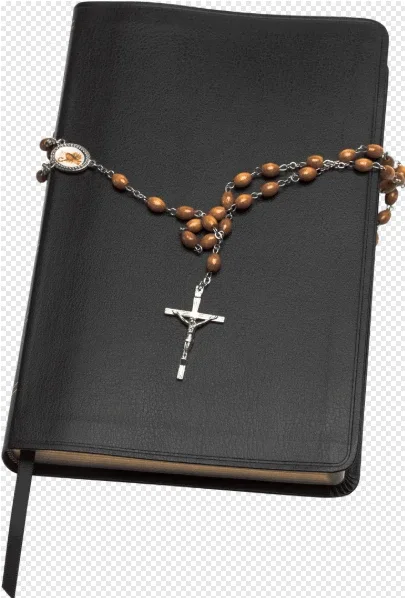
- Grab free Bible PNGs (transparent graphics) for thumbnails and overlays.

Research approach — how we evaluated “best free Biblical assets”
Criteria used in this guide
To keep recommendations practical and trustworthy, we focused on sources that commonly meet these professional standards:
- Clear licensing signals (so you can use assets with confidence)
- High-resolution output (usable for print and HD video)
- Modern visual style (fits current church + creator aesthetics)
- Search-friendly libraries (fast discovery via tags/categories)
- Format variety (photo, video, templates, PNG/transparent assets)

Why Biblical content needs extra care
Biblical visuals often include printed text, recognizable translations, artwork styles, and sacred symbolism. That means you should also consider:
- Whether a photo contains readable Bible text (translation rights can matter in some contexts)
- Whether artwork resembles a copyrighted illustration rather than a public-domain engraving
- Whether the asset is appropriate for your audience (cultural sensitivity, denominational context)
Where people can get free Biblical assets (and what each source is best for)

1) Curated stock libraries with Bible-specific categories
Category-based libraries are the fastest route when you need consistent results across a campaign.
Best use cases:
- Sermon series branding (consistent look across weeks)
- Blog + devotional illustrations
- YouTube thumbnails and social promos
Recommended starting points (organized by asset type):
- Bible imagery.
- Motion content.
- Ready-made design layouts.
- Transparent overlays and cutouts.
2) Public domain archives (historical engravings, manuscripts, antique art)
Public domain sources can be excellent for:
- Classic Bible-themed illustrations
- Historical church education materials
- Old-world aesthetic sermon slides
What to watch:
- Some sites host scans that are public domain, but their scan or restoration may have usage conditions. Always read the rights notes.
3) Museums, libraries, and university digital collections
These are strong options for research-heavy projects (e.g., theology courses, historical timelines, denominational history). They’re especially useful when you need:
- Primary-source imagery (ancient manuscripts, artifacts)
- Accurate metadata (dates, locations, provenance)
What to watch:
- “Open access” doesn’t always mean “any use.” Check whether commercial use is allowed if you monetize content.
4) Faith-based media kits and church networks
Denominations, parachurch organizations, and conference brands sometimes offer:
- Media kits (logos, backgrounds, promo templates)
- Seasonal graphics (Easter, Advent, Christmas)
What to watch:
- These often come with brand usage rules and may not be reusable outside the originating organization.
What to choose — photos vs videos vs templates vs PNGs

Free Bible photos (best for pages that must rank on Google)
Use photos when you’re publishing:
- Blog posts, devotionals, landing pages
- Printable Bible study guides
- Booklets and newsletters
Pro tip: Photos help you build image SEO (alt text + topical relevance), which can improve page discoverability over time.
Free Bible videos (best for engagement and watch time)
Use videos for:
- Sermon intro sequences
- Shorts/Reels/TikTok overlays
- Worship night promos and event trailers
Free Bible templates (best for fast, consistent design)
Templates are ideal for:
- Sermon slides, flyers, posters
- Social media quote cards
- Ministry events where you need speed + brand consistency
Free Bible PNGs (best for transparent overlays and thumbnails)
PNGs shine when you need:
- Transparent icons and cutouts
- Layered designs (Bible + light rays + text)
- Clickable thumbnails and graphic compositions
Licensing and trust checks — a practical “safe-to-use” workflow

A 5-step checklist before publishing
- Confirm license type on the download/source page
- Check for attribution requirements (some “free” assets still require credit)
- Look for restrictions (e.g., redistribution, resale, use in logos)
- Verify model/property releases if people or private locations are visible
- Avoid readable Bible text in close-ups if you can’t verify translation/rights context (use angled shots or symbolic imagery)
When you should be extra cautious
- You’re producing commercial products (ebooks, paid courses, merch)
- You’re using imagery that includes distinctive artwork (not just a photo of a Bible)
- You’re building a brand identity (logos and trademarks require stricter rules)
SEO strategy — how Biblical assets help you earn backlinks naturally
Why resource-style pages attract links
Pages that compile useful tools earn backlinks because they reduce work for others. Churches, ministries, educators, and Christian bloggers regularly link to:
- “Free resource” roundups
- Media kits and download libraries
- Seasonal asset collections (Easter/Christmas)
Content formats that consistently get backlinks in the faith niche
Consider publishing one of these (and using assets from the libraries above to illustrate them):
- “Free Church Graphics” hub page (organized by seasons and sermon topics)
- Sermon series toolkit (slides + thumbnails + social templates)
- Bible study printable pack (covers + icons + reading plan layout)
- Christian content creator starter kit (thumbnails, overlays, b-roll)
On-page SEO tips (quick wins)
-
Use descriptive filenames:
bible-study-open-book.jpg - Write alt text like a caption: “Open Bible on wooden table with warm light”
- Internally link to related pages (Easter, Advent, Psalms, Proverbs, prayer topics)
Recommended “Biblical asset” use cases by audience
For churches and ministries
- Sermon series graphics
- Event promotions
- Welcome screen slides
- Volunteer recruitment posts
For Christian bloggers and authors
- Featured images for devotionals
- Chapter separators and transparent PNG icons
- Lead magnets (printables)
For educators and homeschoolers
- Lesson visuals and worksheets
- Timeline graphics (biblical history)
- Memory verse cards (use templates for consistency)
For video creators and podcasters
- B-roll Bible footage
- Motion backgrounds for verses
- Thumbnail overlays (transparent PNGs)
FAQ — common questions about free Biblical assets
Are “free” Biblical assets always safe to use?
Not automatically. “Free to download” is different from “free to use anywhere.” Always verify the license and any restrictions on redistribution or commercial use.
Do I need to credit the source?
Sometimes yes. If attribution is required, add a credit line in your video description, blog footer, or design notes.
What’s the best format for transparent overlays?
PNGs are the go-to for transparency.
High-quality Biblical visuals shouldn’t be a bottleneck. The most efficient workflow is to use dedicated libraries for each format—photos, videos, templates, and PNG overlays—then apply a simple licensing checklist before publishing.