Card games, with their vibrant suits and endless variations, have captivated humanity for centuries, serving as both a pastime and a battleground for wit, luck, and strategy. From their mysterious origins in ancient Asia to the poker tables of modern casinos, playing cards have left an indelible mark on culture, commerce, and even politics. This post traces the rich history of card games, exploring how a simple deck became a global phenomenon that continues to shape how we play and wager.
The Birth of Cards: Ancient Roots
The origins of playing cards are shrouded in debate, but most historians point to China’s Tang dynasty (618–907 CE) as their cradle. Early cards, likely made of paper or bamboo, were used in games like yezi ge (“game of leaves”), which combined elements of chance and skill. These proto-cards, often illustrated with symbols or numbers, were tied to gambling from the start, with players betting on outcomes in bustling marketplaces. Some scholars suggest these games descended from domino-like tiles or even divination tools, hinting at a spiritual dimension to early play.
By the 9th century, cards spread along trade routes to Persia and the Islamic world, where they evolved into ganjifa, a trick-taking game played with intricately painted decks. These cards, circular and adorned with motifs like swords or coins, reflected the wealth and artistry of their players. Unlike dice or lotteries, cards offered a tactile, versatile medium, allowing for countless rule sets and sparking a new kind of social interaction.
Cards Reach Europe: A Medieval Revolution
Playing cards arrived in Europe by the late 14th century, likely through Mamluk Egypt and the ports of Venice and Marseille. The earliest European decks, known as naibi in Italy, featured four suits—cups, swords, coins, and batons—that mirrored their Islamic predecessors. These tarot-like decks were initially handmade, making them a luxury for the wealthy, but the advent of woodblock printing in the 15th century democratized their production, spreading cards to taverns and homes.
Europeans embraced cards with fervor, inventing games like primero (a forerunner of poker) and basset, which enthralled nobility and commoners alike. By the 1400s, France standardized the modern deck with its iconic suits—hearts, diamonds, clubs, and spades—while Germany experimented with acorns and bells. Card games became a cultural glue, bridging classes and regions, though they also drew ire from religious authorities who saw them as gateways to sin. Sermons decried “the devil’s picture book,” yet bans only fueled underground play.
Superstitions also took root, with players developing rituals to court luck, such as kissing cards or avoiding certain seats. These beliefs, still alive in modern gambling, are explored in depth in this article on casino superstitions, which highlights the enduring quirks of card-playing culture.
The Renaissance and Beyond: Cards as Power and Play
By the 16th century, card games were a fixture of European life. In royal courts, monarchs like England’s Henry VII wagered fortunes on gleek and primero, while Elizabeth I reportedly played to outwit her advisors. Cards also became tools of propaganda—decks printed with political caricatures or allegories shaped public opinion during turbulent times, like the French Revolution, when jokers mocked fallen kings.
Across the Atlantic, colonists brought cards to the New World, where they flourished in Puritan-defying taverns. Games like all fours and whist laid the groundwork for later American favorites. Meanwhile, in Asia, Japan developed hanafuda (flower cards), blending gambling with poetic imagery, while India’s ganjifa remained a courtly obsession, its decks growing ever more ornate.
The 17th and 18th centuries saw card games diversify. France gave the world piquet, a strategic duel for two, while England’s cribbage introduced scoring boards, adding tactile charm. Whist, born in the 1700s, became a genteel obsession, its partnerships and trumps paving the way for bridge. Yet, gambling remained the heart of card play, with high-stakes games fueling fortunes and feuds. Venice’s Ridotto, the first public casino, showcased card tables as its centerpiece, cementing their role in organized betting.
The 19th Century: Poker and the Modern Deck
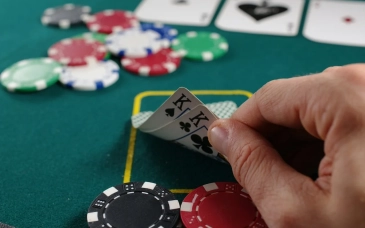
The 19th century was a golden age for card games, driven by industrialization and global exchange. The United States, in particular, reshaped the card-playing world with the rise of poker. Born on the Mississippi Riverboats, poker blended primero’s betting with new twists, like the 52-card deck and standardized rankings (e.g., royal flush). By the Civil War, poker was America’s game, played in saloons, camps, and backrooms, its bluffing mechanic reflecting the nation’s entrepreneurial spirit.
The same era saw bridge evolve from whist, captivating intellectuals with its complexity, while euchre and pinochle thrived among immigrants, showcasing cards’ ability to bridge cultures. Mass production made decks affordable, and companies like the United States Playing Card Company (founded 1867) introduced innovations like the joker, originally for euchre. Cards also became art, with bespoke designs reflecting everything from mythology to machinery.
Yet, gambling’s shadow loomed. Moral crusades in Europe and America targeted card games, associating them with vice and ruin. Undeterred, players flocked to illegal dens, where sharps honed skills like card-counting—techniques that would later challenge casinos.
The 20th Century to Today: Cards in a Digital Age
The 20th century saw card games split into two worlds: social play and high-stakes gambling. Bridge became a global phenomenon, with tournaments drawing thousands, while canasta and rummy dominated mid-century parlors. Meanwhile, casinos embraced blackjack and baccarat, streamlining them for mass appeal. Las Vegas and Monte Carlo turned card tables into icons, with poker reborn in the 1970s via the World Series of Poker, transforming players like Doyle Brunson into legends.
Television and the internet revolutionized card games further. The 2003 “poker boom,” sparked by Chris Moneymaker’s televised win, made Texas Hold’em a household name, while online platforms like PokerStars brought tables to screens worldwide. Today, digital apps offer everything from solitaire to Magic: The Gathering, blending cards with virtual economies.
Yet, the tactile allure of physical cards endures. Poker nights, casino trips, and family gin rummy games remain rituals, often steeped in the same superstitions—like tapping the table for luck—that have persisted for centuries. Cards also inspire culture, from James Bond’s baccarat duels to Yu-Gi-Oh!’s global fandom.
Cards as a Cultural Mirror
The history of card games is a shuffled deck of human stories—innovation, rivalry, and resilience. Cards have started wars (like duels over cheated hands) and ended them (as soldiers bonded over cribbage). They’ve funded revolutions via lotteries and fueled art through illustrated decks. Above all, they reveal our fascination with chance and control, a duality captured in the rituals we still perform, as noted in the linked article.
From Tang dynasty parlors to Vegas poker rooms, card games have dealt a hand in every era, adapting to wars, bans, and technologies while staying true to their essence: a mix of luck, skill, and human connection. As we shuffle into the future—be it augmented reality decks or blockchain betting—the card table will remain a timeless stage, where every draw tells a story.