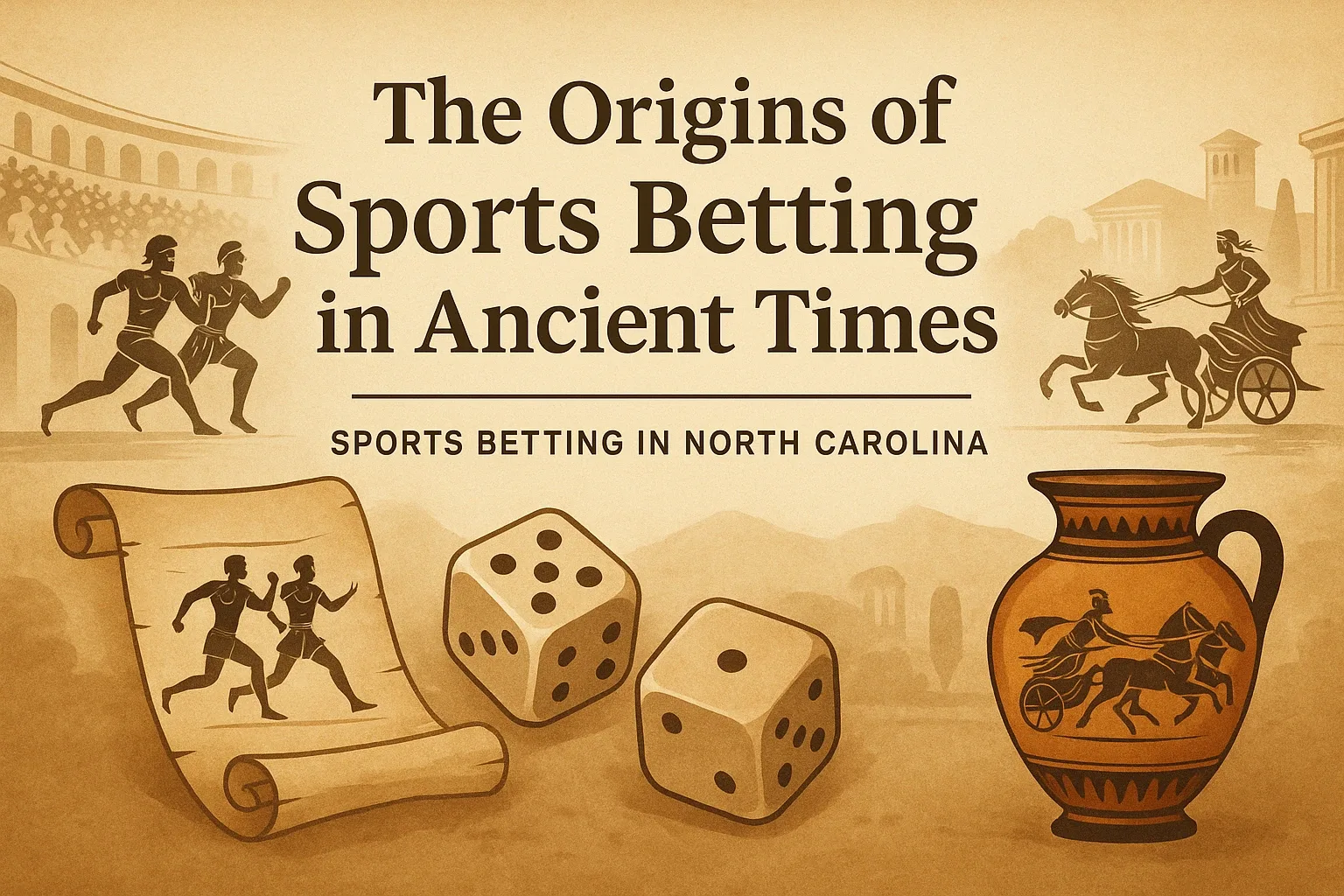
Sports betting is often associated with modern casinos, racetracks, or digital platforms, but its roots extend back thousands of years. Ancient society was fascinated by competition, and where there was competition, there was also wagging. From Mesopotamia to Greece, Rome and China, the task of betting on athletic results has always been a way to extend enthusiasm, display social status and sometimes appeal to the gods. Interestingly, the long lineage of this practice still resonates, even in places like the United States where dialogue about sports betting in north carolina is part of a large cultural and legal development.
Early marks in ancient civilizations
Early gambling evidence can be detected in Mesopotamia around 3000 BC, where six-sided dice made of sheep bones was discovered. While this dice was often used for divineization, they eventually became a tool for chance and informal stakes. The ancient Egyptians were also engaged in gaming, especially with knocklebones, who were the precursors for dice. Although most of his betting was focused on sports rather than organized sports, hunger for risk and reward was clearly present.
Greece: Betting on Olympic Glory
Ancient Greek was one of the first people to raise sports betting in a structured cultural practice. The Olympic games were held in the first 776 BC, not only athletic skill performance, but also opportunities for the audience to place bets. Records and stories of this period show that stakes were common when the feet race, chariot race, and punctuation were common. Rich citizens, foreign visitor, and even political leaders used the results to strengthen or display generosity, sometimes in betting.
Rome: Gladiators and Chariots
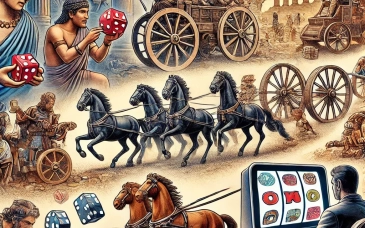
No ancient culture gives examples of the spectacle and the fusion of betting more than Rome. Gladaterial competitions in the colosium attracted the crowds on a large scale, and became a main part of the experience staggering over the fighters. Similarly, the Circus was a center for the huge chariot-racing stadium-Jua of the Maximus-Rome. The Roman Rath teams, often sponsored by the rich patron, inspired fan loyalty like a modern sports franchise. The stakes can be placed on individual drivers, teams or race results, and fate won and lost. In fact, betting was so entangled with Roman entertainment that the emperors sometimes tried to regulate it, although with limited success.
China and the initial game of chance
In ancient China, gambling was a popular pastime and a means of state financing. Wagging was on animal fights, sports contests and even proto-lotary systems. Some scholars suggest that betting revenue may have contributed to funding large projects such as some parts of the Great Wall. The tradition of combining sports, entertainment and betting will later affect practices in East Asia for centuries.
Cultural significance of ancient sports betting
Sports betting in antiquity was rarely about money. It reinforced social hierarchies, created community relations, and deepened in cultural rituals as entertainment. Bet can be symbolic - such as livestock, favor, or social recognition - as much as they were monetary. In many cases, betting enhanced the communal thrill of athletic competitions and turned them into a shared cultural milestone.
Echo in modern world
Although Millennia has passed through gladiators and chariot races, human attraction with betting on competition remains unchanged. Modern betting has evolved from these ancient practices, with its structured obstacles and regulated markets. Discussing contemporary developments such as development of sports betting in northern Carolina, it is clear that today's legitimacy, entertainment and debate on cultural value are part of a much more historical continuity. The same impulses that inspire a Roman citizen to bet on a favorite charioteer even today inspire fans within a modern regulatory structure.