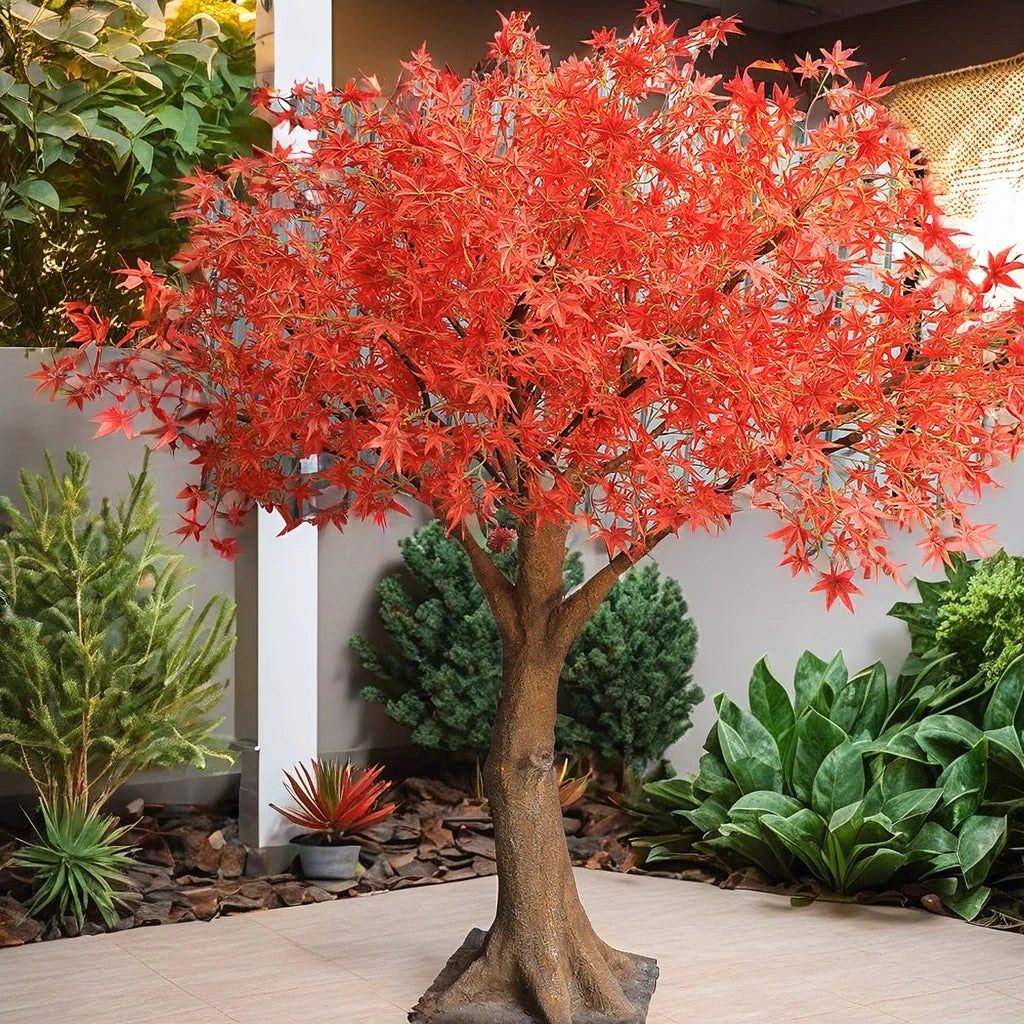
Why Artificial Maple Trees Work So Well In Interiors
Artificial maple trees are increasingly recognized by interior designers for their ability to bring nature’s beauty into indoor spaces without the usual maintenance required by real plants. These faux trees are characterized by their distinctive lobed leaves and branching shapes, which can mimic everything from early spring green to the vibrant reds of autumn. As a result, they fit seamlessly with everything from modern minimalism to classic traditional rooms. Many designers appreciate the freedom artificial trees offer—unlike their living counterparts, they thrive in low-light locations, air-conditioned offices, and high-traffic zones where live plants might struggle. With no need to water or prune, and none of the mess associated with dropped leaves or soil, they’re ideal for homes as well as busy workplace settings. Properly chosen and styled, they blend into surroundings while adding a grounded, organic touch that makes interiors more inviting and visually dynamic.
Using Artificial Maple Trees To Frame Key Spaces
Artificial maple trees can act as visual anchors, defining important spaces without the permanence or heaviness of walls. For example, in a living room, setting a faux maple beside a cozy chair signals a reading nook or relaxation spot. In open-concept apartments, a tall tree can gently mark the dining area, helping to organize the flow from eating to lounging without resorting to screens or dividers. Offices can also benefit—positioning a maple tree near an entrance or by a meeting room doorway draws attention to these transition points, creating a softer sense of arrival. The choice of planter can further connect the tree to the space, whether that means a matte black vessel for a modern look or woven fiber for a more rustic feel. By thinking of these trees as part of the room’s architecture rather than mere accessories, it’s possible to achieve a look that feels intentional and cohesive.
Creating Seasonal And Thematic Displays
The strength of artificial maple trees lies not just in their appearance but in their adaptability. Their branches and foliage can provide a canvas for seasonal decor, allowing both homes and offices to shift their atmosphere throughout the year. During autumn, the tree’s vivid leaves can be paired with textured throws, deep-gold pillows, and sculptural ceramics to evoke warmth. As winter approaches, changing to cooler lighting and adding delicate metallic ornaments can give the same tree a fresh, calming presence. Offices often use this adaptability for subtle decor changes without large investments, simply rotating nearby accents to keep the environment lively. In home settings, smaller maple trees become part of family celebrations, offering a beautiful backdrop for meals, gatherings, or even quiet evenings if paired with ambient lighting. Those searching for realistic options can find a broad selection of faux maple trees here at FauxNatural, with varieties suited to all manner of color palettes and themes.
Integrating Artificial Maple Trees Into Functional Decor
The appeal of artificial maple trees extends beyond looks—they can also serve practical design roles, particularly in work settings. In busy offices, these trees function as organic dividers, softly delineating workzones while still letting in light and maintaining an open feel. Home office workers have also embraced this trend, often placing a single maple tree behind a desk to create an attractive, clutter-free video call background. Waiting rooms and reception areas become warmer and more people-friendly when a maple tree sits near a seating cluster, especially with layered rugs and cozy lighting. Some designers go a step further by transforming the base of the tree into hidden storage or a makeshift charging station, masking cables or supplies within a stylish planter. When arranging these trees, it’s important to consider movement patterns and natural light, ensuring the addition complements rather than obstructs the everyday use of the space. Through careful placement and styling, artificial maple trees can balance practicality with a touch of the outdoors, elevating the design of both homes and offices.
- Use artificial maple trees to visually separate open-plan areas without installing permanent partitions.
- Combine trees with lighting to create calming corners for reading, informal meetings, or quiet breaks.
- Refresh the look seasonally by changing nearby textiles, accessories, and small decorative accents.