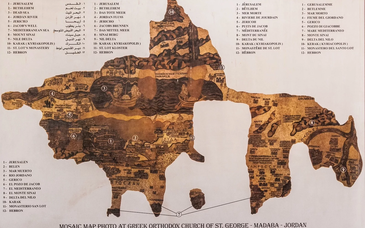
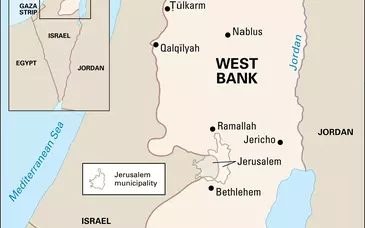
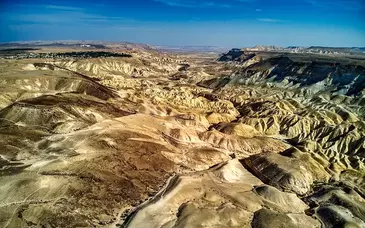
Before beginning any journey through sacred history, it helps to plan the practical side of travel carefully, from routes and timing to reliable local transport such as Taxi Moments transfers. A biblical sites tour is not just another vacation. It is a way to walk through places connected with faith, empire, culture, conflict, prayer, and memory.
For many travelers, the Bible becomes more vivid when its stories are connected to real landscapes: roads, gates, hills, rivers, deserts, and ancient towns. History gives the setting; Scripture gives the meaning. Together, they turn travel into a deeper kind of learning.
Why Biblical Sites Still Matter Today
Biblical places are powerful because they remind us that faith did not develop in isolation. The people of the Bible lived in real cities, crossed real borders, traded goods, faced political pressure, and traveled long distances by foot, boat, and caravan.
A thoughtful biblical sites tour can help visitors:
- Understand the geography behind familiar passages
- See how ancient empires shaped daily life
- Connect Scripture with archaeology and history
- Reflect on faith through place, silence, and observation
- Appreciate how routes, roads, and cities influenced biblical events
“To visit a historic biblical place is not only to look backward, but to ask how ancient wisdom still speaks into modern life.”
How to Choose the Right Biblical Sites
Not every traveler has the same goal. Some want to explore Old Testament history. Others are interested in early Christianity, Roman-era cities, or pilgrimage routes. A strong itinerary begins with one clear theme.
| Travel Theme | Best Focus | What You Learn |
|---|---|---|
| Old Testament history | Ancient cities, kingdoms, desert routes | Covenant, exile, kingship, prophecy |
| New Testament context | Galilee, Jerusalem, Roman roads | Ministry, discipleship, early church life |
| Archaeology and history | Ruins, museums, inscriptions | How evidence supports historical understanding |
| Spiritual reflection | Quiet churches, hills, rivers | Prayer, meaning, personal renewal |
| Family education | Accessible landmarks and guided stops | Bible stories in a memorable format |
If your time is limited, choose fewer places and study them better. A rushed tour can turn sacred history into a checklist. A slower route gives space to read, observe, and reflect.
Planning Your Route Like a Historian
A good biblical sites tour is not only about famous names. It is about movement. Ancient people traveled between water sources, trade centers, ports, mountain passes, and fortified cities. When planning your route, ask:
- Why was this place important?
- Who controlled it during the biblical period?
- What roads or trade routes passed nearby?
- Which biblical events are connected with it?
- What can still be seen today?
This approach makes even simple travel details more meaningful. A road is not just a road; it may represent commerce, exile, pilgrimage, military power, or missionary movement.
Practical Tips for a Smooth Biblical Sites Tour
To make the journey comfortable and focused, prepare both spiritually and logistically.
- Read before you go.
Choose several Bible passages connected with each place. A short reading before arrival can completely change how you experience the location. - Do not overload the schedule.
Historic sites often require walking, waiting, security checks, heat management, or local traffic planning. - Use local guides when possible.
A knowledgeable guide can explain layers of history that are easy to miss: Roman, Byzantine, Ottoman, modern, and biblical. - Plan transport early.
Many biblical and historical sites are not always easy to reach by public transport. Reliable transfers help keep the day organized, especially for airport arrivals, family trips, or multi-stop routes. - Leave time for reflection.
The most memorable moment may not be the biggest landmark. It may be a quiet view, a reading, or a conversation after the tour.
What to Pack for a Bible History Trip
A biblical sites tour often involves walking, changing weather, and long days outside. Useful items include:
- Comfortable walking shoes
- Hat, sunglasses, and sunscreen
- Refillable water bottle
- Light notebook or travel journal
- Printed or offline maps
- A compact Bible or Bible app
- Modest clothing for religious sites
- Portable charger
- Small backpack for day trips
Making the Journey Meaningful
The best biblical travel is not only educational; it is attentive. Look at the stones, roads, gates, valleys, and water sources. Think about the people who lived there before modern maps, hotels, and highways. Imagine the difficulty of travel, the importance of hospitality, and the courage required to leave home.
A biblical sites tour can teach history, but it can also teach patience. It reminds travelers that sacred stories unfolded slowly, across generations, through ordinary human places.
Final Thoughts
A well-planned biblical sites tour brings together Scripture, history, geography, and personal reflection. With the right theme, realistic timing, and careful travel planning, the journey becomes more than sightseeing. It becomes a living classroom.
Whether you are traveling alone, with family, or as part of a church or study group, approach each site with curiosity. The ancient world has much to say, and sometimes the most meaningful lessons are found not only in monuments, but in the journey between them.