The Bible is not just a spiritual text; it is also a historical record of cities that have shaped human civilization. Many of these ancient cities still exist today, offering a tangible link to the past. From Jerusalem’s sacred walls to Jericho’s ancient ruins, these cities continue to inspire and fascinate. Even modern institutions, like St. Sophia Cathedral in Miami, reflect the enduring influence of biblical traditions.
Jerusalem: The Eternal City
Historical Significance
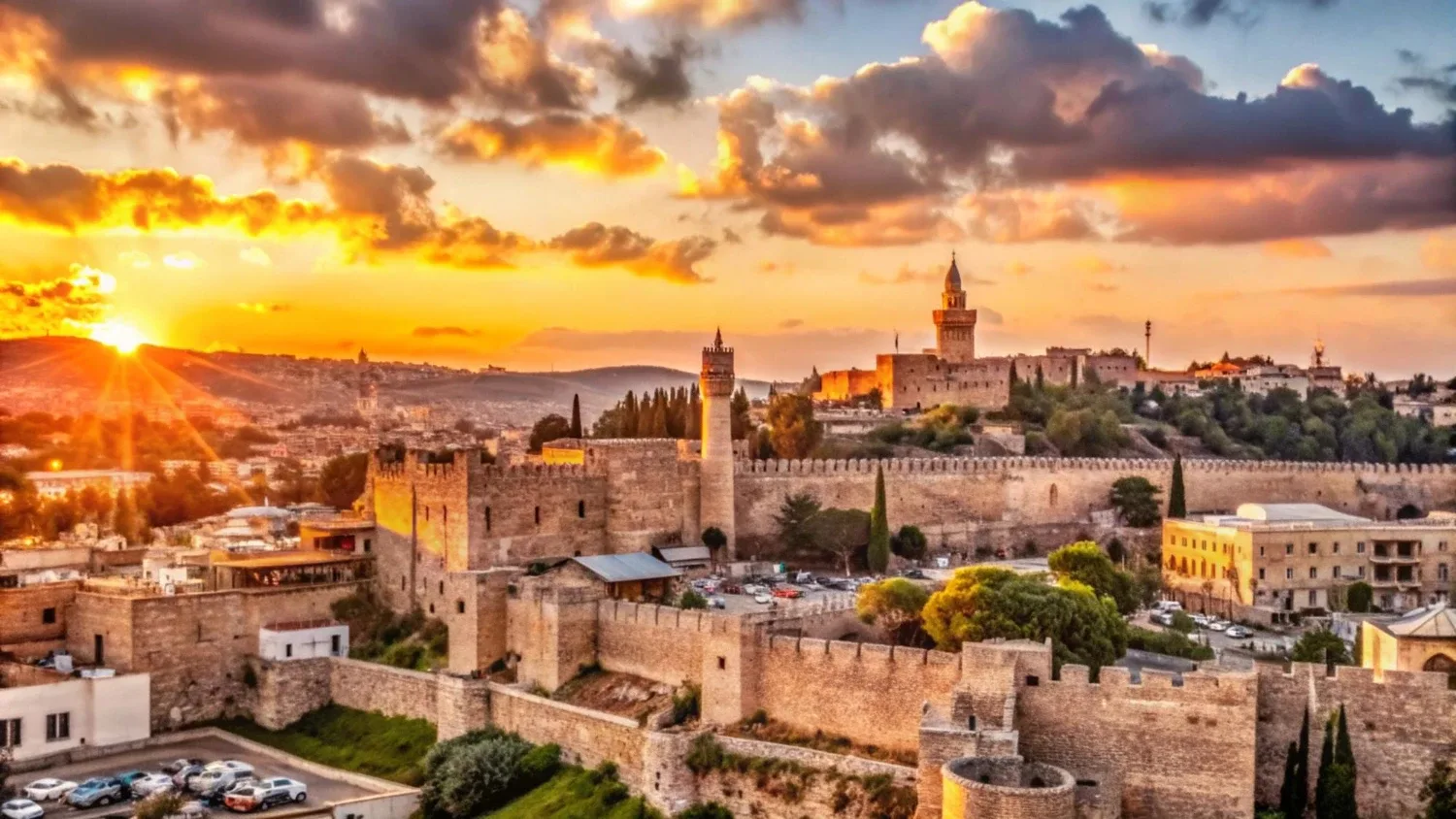
Jerusalem is arguably the most iconic biblical city, mentioned over 800 times in the Bible. It is central to the stories of King David, Solomon, and Jesus Christ. The city’s history spans millennia, with landmarks like the Western Wall, the Church of the Holy Sepulchre, and the Dome of the Rock standing as testaments to its spiritual and historical importance.
Modern Jerusalem
Today, Jerusalem is a vibrant metropolis and a major pilgrimage site for Jews, Christians, and Muslims. Its Old City, a UNESCO World Heritage Site, is a living museum of biblical history, where ancient stones whisper stories of faith and conflict.
Jericho: The City of Palms
Historical Significance
Jericho is one of the oldest continuously inhabited cities in the world. Famous for its walls that “fell down flat” in the Book of Joshua, Jericho’s archaeological sites reveal layers of history dating back over 10,000 years. The city’s strategic location near the Jordan River made it a key biblical landmark.
Modern Jericho
Modern Jericho is a bustling Palestinian city, known for its archaeological parks and the Mount of Temptation, where Jesus is said to have fasted for 40 days. Visitors can explore ancient ruins and experience the city’s rich cultural heritage.
Damascus: The City of Paul’s Conversion
Historical Significance
Damascus, the capital of Syria, is mentioned over 60 times in the Old Testament and is famously the site of Paul the Apostle’s conversion. With a history spanning 5,000 years, Damascus is a crossroads of civilizations, blending biblical narratives with Islamic and Hellenistic influences.
Modern Damascus
Despite recent conflicts, Damascus retains its historical charm. The Umayyad Mosque, built on the site of a Roman temple and a Christian basilica, exemplifies the city’s layered history. Its ancient souks and historic sites continue to attract visitors.
Rome: The Heart of the Roman Empire
Historical Significance
While not mentioned in the Old Testament, Rome is pivotal in the New Testament. It was the center of the Roman Empire during the time of Jesus and the early Church. The Epistle to the Romans and the martyrdom of apostles like Peter and Paul are tied to this eternal city.
Modern Rome
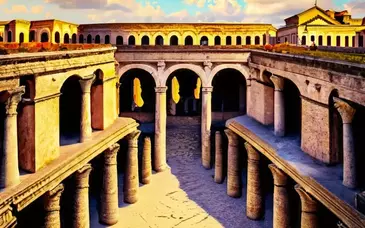
Rome remains a global hub of Christianity, home to the Vatican and countless churches, cathedrals, and ancient ruins. Its historical sites, such as the Colosseum and the Roman Forum, offer glimpses into the world of early Christians.
Hebron: The City of the Patriarchs
Historical Significance
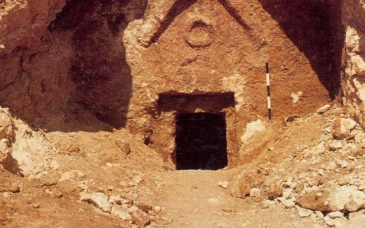
Hebron is revered as the burial place of biblical patriarchs Abraham, Isaac, and Jacob. The Cave of the Patriarchs is a sacred site for Jews, Christians, and Muslims, making Hebron a symbol of shared religious heritage.
Modern Hebron
Today, Hebron is a divided city in the West Bank, with both Palestinian and Israeli communities. The Cave of the Patriarchs remains a major pilgrimage site, reflecting the city’s enduring spiritual significance.
St. Sophia Cathedral in Miami: A Modern Link to Ancient Traditions
While not an ancient city, St. Sophia Cathedral in Miami embodies the living legacy of biblical traditions. Founded in 1927, the cathedral’s Byzantine architecture and rich iconography connect modern worshippers to the ancient Christian world. Its history and cultural involvement in South Florida make it a testament to the enduring influence of biblical cities and their traditions.
The ancient cities of the Bible are more than historical footnotes; they are living testaments to the enduring power of faith and culture. From Jerusalem’s sacred streets to Jericho’s ancient walls, these cities continue to shape our understanding of history and spirituality. Institutions like St. Sophia Cathedral in Miami further bridge the gap between the ancient world and modern faith, ensuring that the stories and traditions of the Bible remain vibrant and relevant.