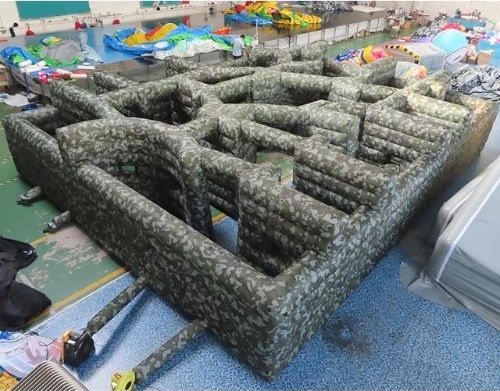
Planning memorable activities for students is an ongoing challenge in school communities, and laser tag has proven to be a versatile answer. Combining teamwork with strategy and movement, laser tag appeals to a wide variety of ages and interests. Unlike many contact sports, it is non-invasive and relies on safe, equipment-based play where no one gets physically tagged. This makes it inclusive and easy to adapt to different ages or ability levels. The game naturally fosters collaboration, especially when teams are mixed intentionally to connect students from different year groups or social circles. Well-executed laser tag events have the potential to become annual traditions, energizing calendars and providing students with something to look forward to beyond the classroom.
Types Of School Events That Can Incorporate Laser Tag
Laser tag is flexible enough to enhance many kinds of school activities. For large-scale events like end-of-term celebrations or field days, it creates a high-energy station where students can rotate through quick matches. It also fits well into themed family nights, giving parents the chance to join in and strengthen the school community. Competition formats, such as house tournaments or grade-versus-grade matches, easily integrate into longstanding traditions where points and participation matter. Leadership and orientation programs also benefit: cooperative play helps break the ice for new students or fosters team spirit at summer camps. The portability of inflatable arenas means these games can move between gyms, sports fields, or multi-use halls, depending on weather or group size, making scheduling and planning less complicated while preserving excitement.
Designing Engaging Game Formats For Students
Keeping students fully engaged throughout a laser tag event involves more than repeating the same match format. Starting with simple team elimination is effective, but many schools opt for themed challenges and mission objectives tailored to the group. Capture-the-flag, base defense, or scavenger hunt-style games add extra layers of involvement and strategy. Rotating these formats keeps interest high and allows different personality types to find roles where they thrive, whether strategizing, communicating, or leading a charge. Including smaller group matches ensures that quieter or less athletic students can participate in a more comfortable setting, fostering broader inclusion. Teachers can even tie the scenarios to classroom topics for a cross-curricular boost, integrating storylines from literature or science lessons to enrich the experience without turning it into a traditional lesson.
Practical Planning: Safety, Logistics, And Inclusivity
Introducing laser tag to campus life requires attention to safety and planning logistics. Clear pre-game instructions help manage expectations, while robust supervision ensures everyone follows safety rules and guidelines. Choosing suitable venues—like sports halls or open fields—allows for manageable boundaries and easy oversight. If multiple groups are playing, rotating scheduled sessions minimizes wait times and crowding. Considering inclusivity, different game versions can be offered to suit various comfort levels—shorter, less intense rounds, or missions focused on puzzles over speed. Good planning takes into account questions such as:
- Which age groups are participating, and are they best served by separate sessions?
- How will equipment be distributed, collected, and sanitized between rounds?
- What alternative spaces or activities are available in case of bad weather?
When these aspects are managed proactively, laser tag becomes a genuinely open opportunity that welcomes diverse groups of students to share in a unique campus experience.
Maximising Educational And Community Benefits
Laser tag quickly transcends pure recreation when organized with intentional learning and community goals in mind. After each game, brief discussions can invite students to reflect on teamwork and the challenges they faced, reinforcing communication and leadership skills. Older students might take on co-organizer roles, sharpening their abilities in event planning and peer mentorship. Including the wider community—such as by inviting families to participate—helps to build stronger school ties and fosters a culture of respect and cooperation. Reflection sheets, rotating responsibilities, and welcoming feedback all contribute to more purposeful events. For those ready to explore how these games could work in their school setting, a dedicated event coordinator can find an impressive selection of laser tag arenas here designed for flexible and safe campus use, helping to transform any school event into a memorable experience.